






























 Stores - Italy
 Stores - France
 Stores - Germany
 Stores - Austria
 Stores - Lithuania
 Stores - Spain
Mountain Hiking: “Leave No Trace”
A topic that is particularly close to our hearts concerns the alarming amount of waste in the mountains, as well as in our seas.
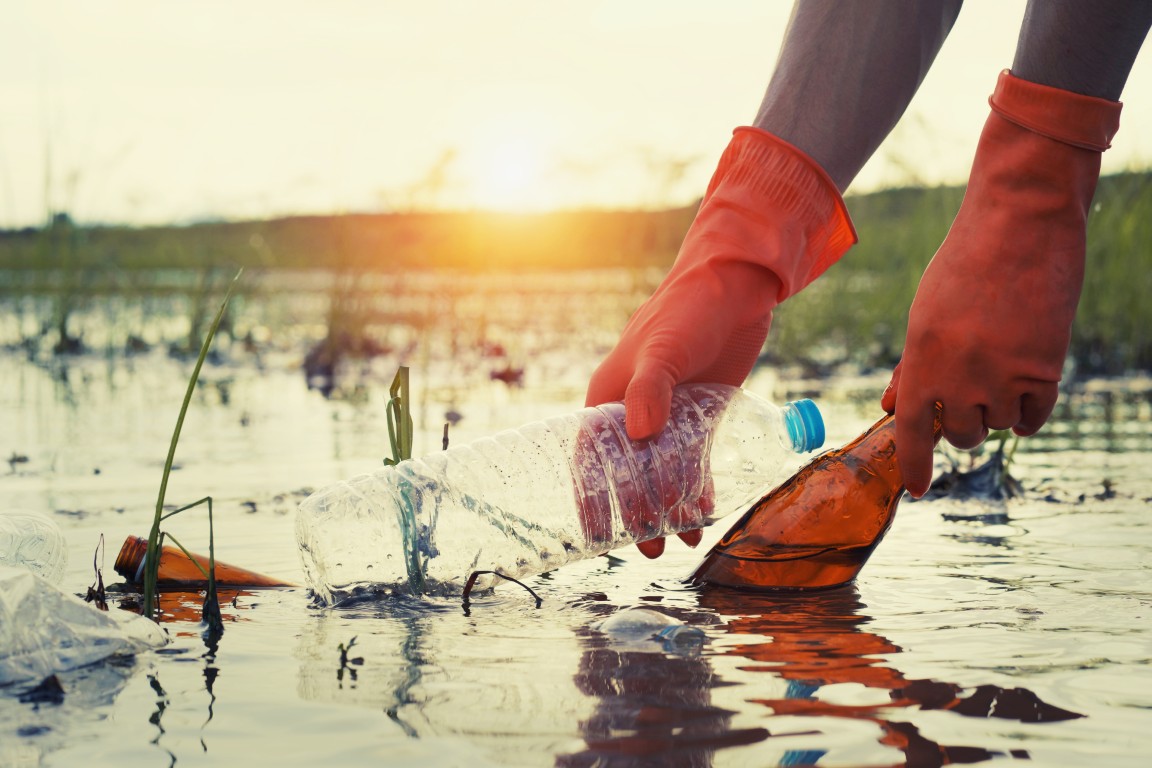
When we visit these areas, it’s because we cherish them: the carpet of dry leaves in the woods, the glistening snow on glaciers, the expansive grassy meadows… So, why not pay more attention to what we leave behind? We should not only avoid leaving trash such as bags, bottles, snack wrappers, cigarette butts, and the like, but also make an effort to pick up litter left by others, whenever possible.
Taking action is an important service to nature and to ourselves: personally, I always return from my hikes with my pockets full of litter collected along the trails.
There are initiatives to clean up mountains and trails, both private and organized by groups like the CAI, but ideally, there shouldn’t be a need for these initiatives.
It’s rare to see mountaineers polluting the mountains, even with just a cigarette butt, but the problem is more serious among occasional hikers and families on outings. A cigarette butt, for example, takes 1 to 5 years to decompose, not to mention plastic, batteries, and cans. All of these can be accidentally ingested by the animals living in these areas.
It’s like going to a friend’s house and tossing our trash in their living room!
A survey conducted among mountain visitors in 75 countries revealed that two-thirds of respondents regularly noticed abandoned waste, particularly plastic, organic materials, paper, and cardboard.
Grid-Arendal, a Norwegian non-profit organization, conducted the “Global Waste in the Mountains Survey” from March to May 2021, in collaboration with other organizations such as UNEP (United Nations Environment Programme).
The research, conducted by Björn Alfthan and Laurent Fouinat, involved 1,750 people. Most respondents came from regions such as the Alpine arc, England, Spain, Germany, and Scandinavia, as well as from the United States, Canada, and Andean and Himalayan countries. They noted encountering varying amounts of waste, with plastic being predominant in many cases.
The survey also found that waste is commonly sighted along trails, in parking lots, and at rest areas. Most respondents believe individual hikers play a significant role in reducing pollution and advocate for promoting environmental education and developing eco-friendly alternatives.
Plastic pollution is also a concern on Italy’s highest mountain peaks.
The project “Remove Plastics from the Alps,” conducted by the European Research Institute of Turin in collaboration with the Department of Applied Sciences and Technology of the Polytechnic University of Turin, collected nearly 100 kilograms of plastic waste along 197 kilometers of alpine trails, even finding plastic in high-altitude snow.
This project, involving over 1,000 people, aims to raise awareness about the beauty of the Alps and the consequences of pollution. The CleanAlp project was launched to address plastic pollution in mountainous areas, often overlooked compared to marine and urban pollution, thereby contributing to the protection of these precious environments.
The responsibility to preserve the beauty and integrity of our mountains and seas lies with each of us. It’s crucial that we take a more mindful and respectful approach towards the natural environment during our hikes and outings. Therefore, the key recommendation is to leave these places exactly as we found them, or preferably, cleaner than before.
Let’s adopt the “Leave No Trace” rule. This involves carrying out all waste generated during hikes, including biodegradable items like food scraps, and ideally, collecting and removing litter left by others. A simple action, such as always having a reusable bag to collect trash, can make a significant difference.
Furthermore, you can take part in or organize group clean-ups of trails, beaches, and parks. These initiatives not only help clean up natural environments but also raise community awareness about the importance of respecting the environment.


 English